Alexandra Marcos portrait

Alexandra Marcos

Computational Social Scientist & Economist
M.S. Candidate, Computational Analysis and Public Policy — University of Chicago

I am passionate about building machine learning systems that improve the efficiency of public services. Trained as an economist at PUCP and now pursuing computational policy at UChicago Harris, I bring together economic theory and applied ML to tackle real institutional challenges — from building predictive models for Peru’s General Auditor to forecasting public revenues for the Ministry of Economics and Finances. My work sits at the frontier where data science meets public policy, always oriented toward actionable, government-ready insight.
  • Machine Learning for Public Policy
  • Econometrics & Causal Inference
  • Data Pipelines & Government Analytics

Skills

Languages

Python, R, SQL (PostgreSQL)

Programming

ML & Data Science

scikit-learn, NLP, text embeddings, supervised classification

Machine Learning
Methods

Causal inference, Panel econometrics, RCT design, Geospatial analysis

Econometrics
Visualization

ggplot2, Streamlit, Altair, R Markdown

Tools
Policy & Government

Public budget programming, Government data systems, Stakeholder communication
Public Sector

Projects

Mapping Illegal Economies: Forest Loss and Nighttime Lights as Proxies for Economic Activity in the Peruvian Amazon thumbnail

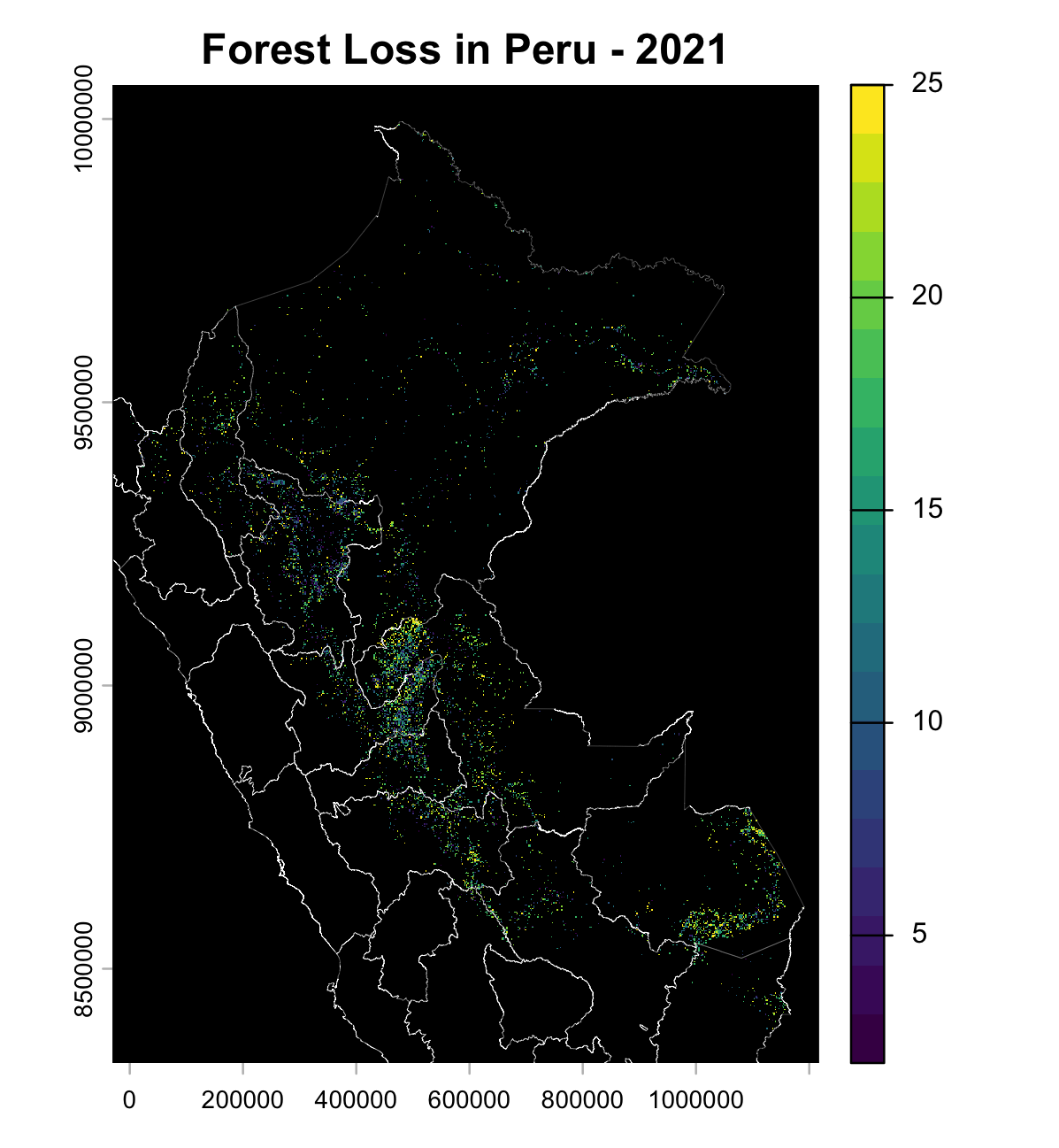
Mapping Illegal Economies: Forest Loss and Nighttime Lights as Proxies for Economic Activity in the Peruvian Amazon

A geospatial panel model (2014–2024) using GEOBOSQUES forest data and VIIRS satellite night-light intensity across 15 Peruvian Amazon regions. Applied random-effects regression with clustered standard errors to estimate the relationship between formal economic activity and deforestation driven by illegal mining and narcotrafficking.
BreakingBureau: Analyzing Immigration News Coverage Against U.S. Labor and Financial Markets thumbnail

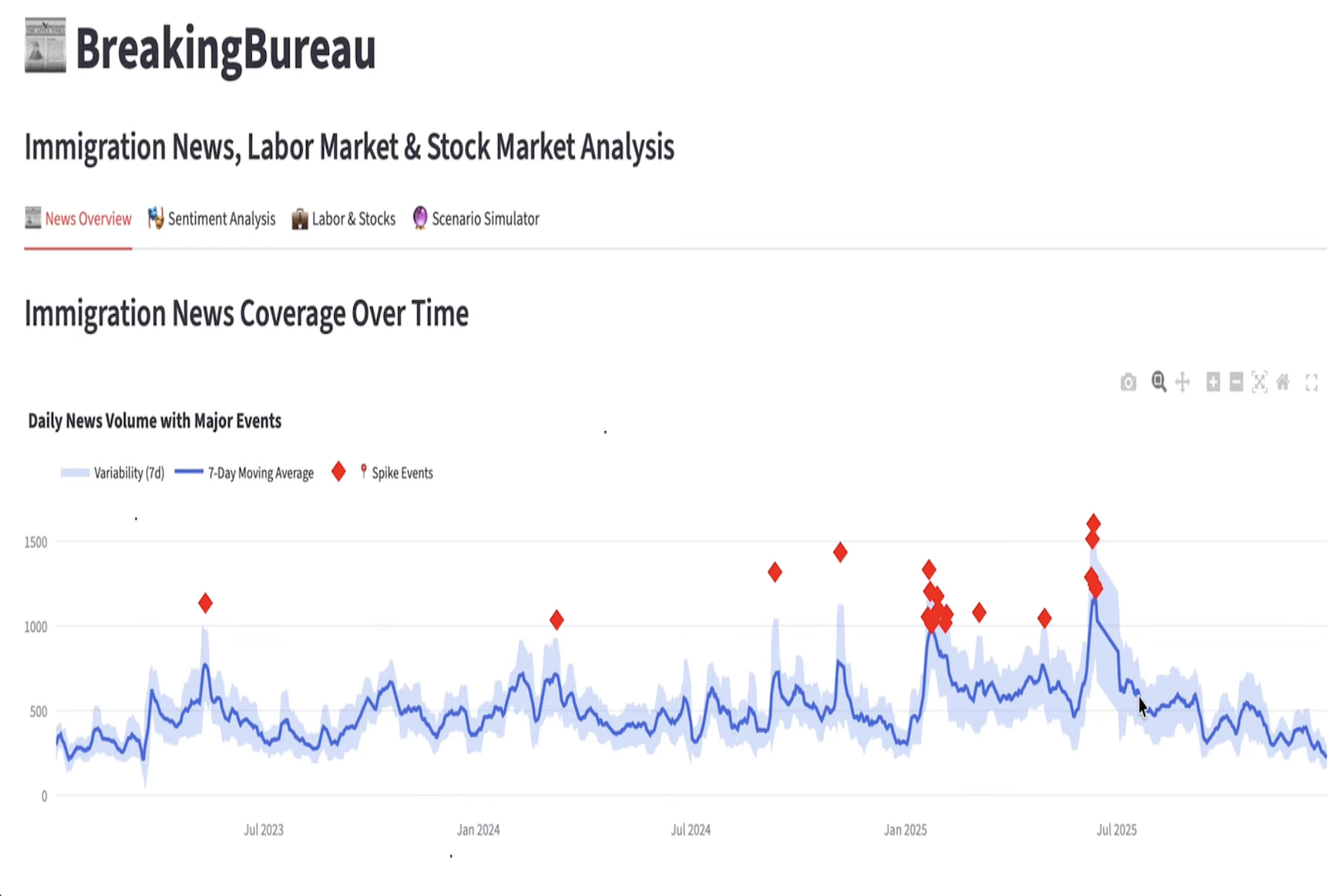
BreakingBureau: Analyzing Immigration News Coverage Against U.S. Labor and Financial Markets

An interactive NLP pipeline ingesting 526,264 immigration-related news articles (GDELT) and correlating tone and volume trends against BLS labor data and Yahoo Finance. Built spike detection, media source treemaps, and sentiment heatmaps.

DSToolkit: An R Package for Credit Risk Modeling thumbnail

DSToolkit: An R Package for Credit Risk Modeling

A fully documented R package implementing a production-grade credit risk pipeline including Weight of Evidence encoding, Information Value feature selection, Gini-based model evaluation, and robust discretization. Used across banking and government ML projects.
covidPeru: An R Library for COVID-19 Epidemiological Analysis in Peru thumbnail

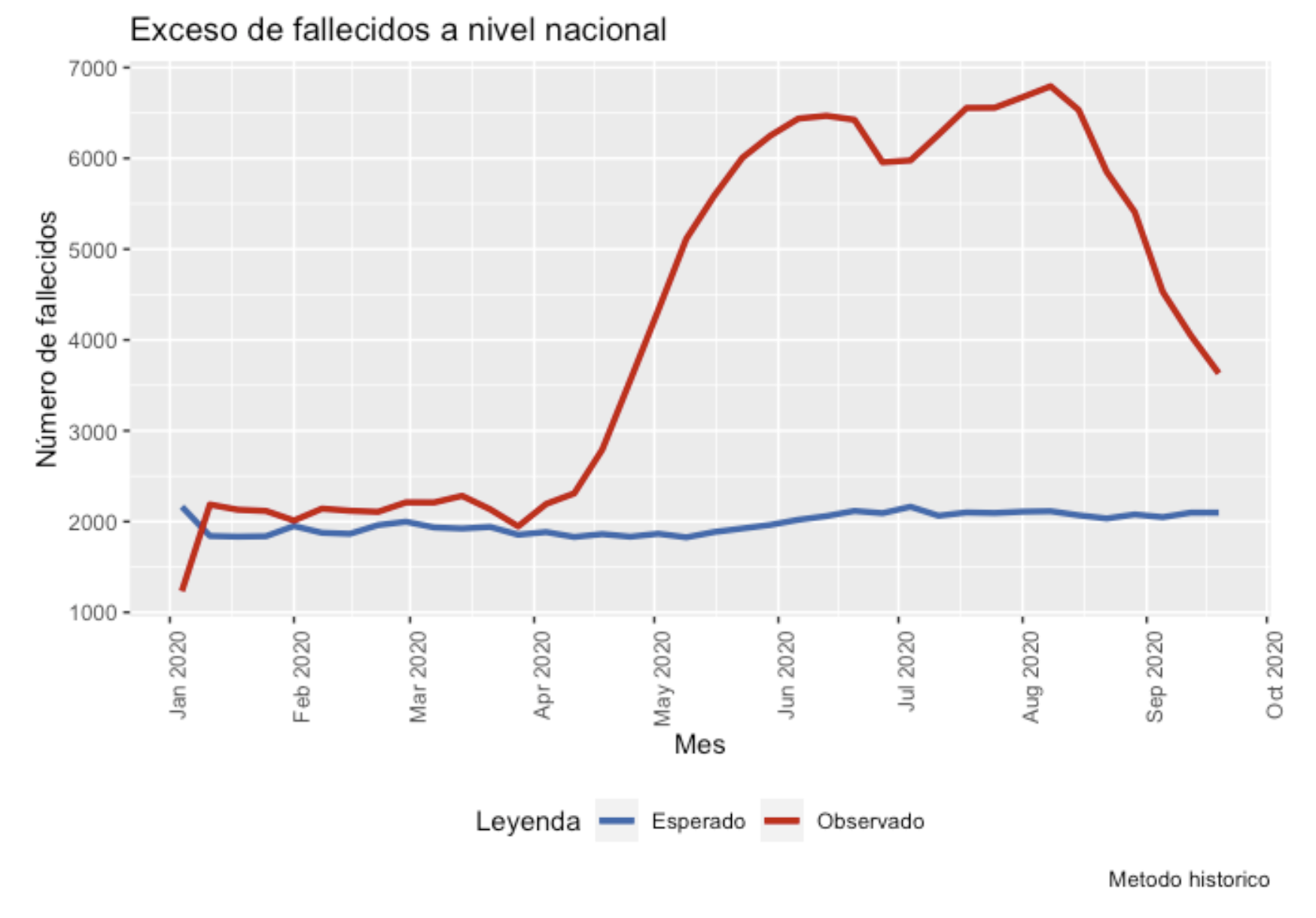
covidPeru: An R Library for COVID-19 Epidemiological Analysis in Peru

Open-source R library developed with Prof. José Incio (University of Pittsburgh) that automatically downloads and processes 200K+ row government datasets daily. Estimates regional virus spread rates using a SIRD epidemiological model to inform resource allocation decisions.
Textual Analysis of BCRP Inflation Reports thumbnail

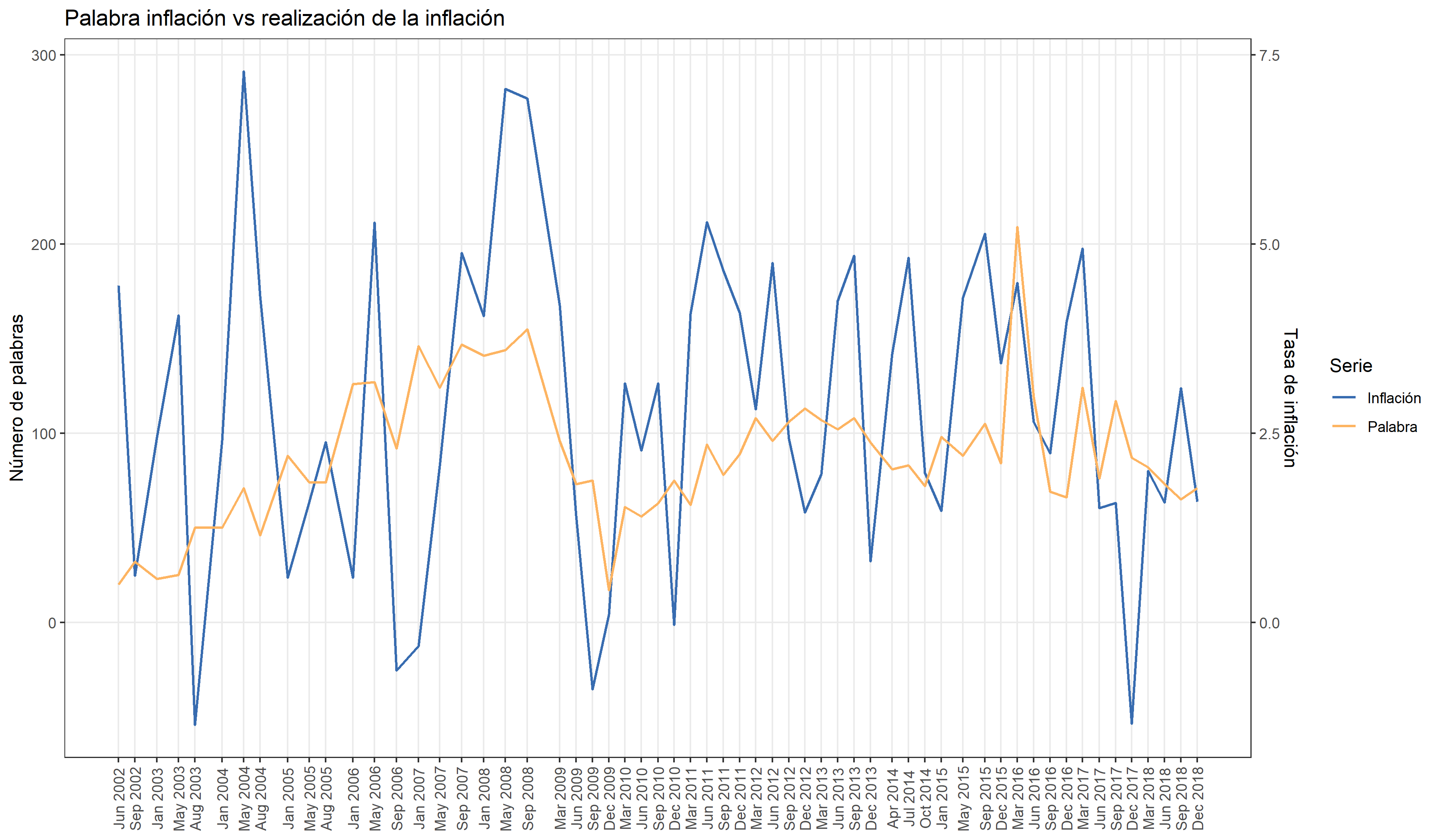
Textual Analysis of BCRP Inflation Reports

Built a text corpus from 59 quarterly BCRP Inflation Reports (2002–2018) applying stop-word removal, TF-IDF weighting, and Structural Topic Modeling to identify 20 latent topics and visualize word frequency trends across economic cycles.

Writing